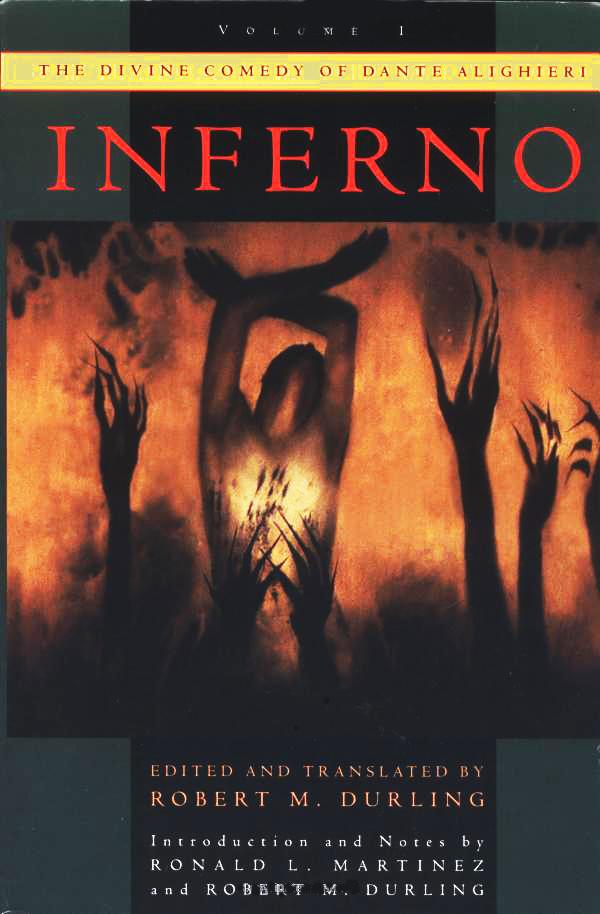
The Divine Comedy by Dante Alighieri is a monumental epic poem, widely regarded as one of the greatest works of world literature. Written in the early 14th century, it is composed in Italian and divided into three parts: Inferno (Hell), Purgatorio (Purgatory), and Paradiso (Paradise). Together, these sections chronicle the spiritual journey of the protagonist, Dante himself, as he traverses the realms of the afterlife.
Overview of the Journey:
- Inferno (Hell):
- Guided by the Roman poet Virgil, Dante descends through nine concentric circles of Hell, each representing a different sin and its corresponding punishment.
- The vivid and often terrifying imagery portrays the consequences of human vice, offering moral and philosophical reflections on justice and divine retribution.
- Purgatorio (Purgatory):
- Dante climbs Mount Purgatory, a place where souls undergo purification to attain Heaven.
- The seven terraces of the mountain correspond to the seven deadly sins, emphasizing repentance, humility, and spiritual growth.
- Paradiso (Paradise):
- With his new guide, Beatrice, a symbol of divine love, Dante ascends through the celestial spheres of Heaven, each governed by a particular virtue.
- Ultimately, he experiences the beatific vision of God, a moment of profound enlightenment and unity with the divine.
Themes:
- Redemption and Salvation: Dante explores the human soul’s journey toward God, illustrating the consequences of sin and the potential for redemption.
- Justice and Morality: The poem reflects medieval Christian theology, emphasizing divine justice and moral order.
- Love and Divine Grace: Love is portrayed as the driving force of the universe, with Beatrice symbolizing divine love and grace.
Style and Structure:
- Written in terza rima (a rhyming scheme of interlocking tercets: ABA BCB CDC), the poem is notable for its linguistic beauty and innovation.
- The use of allegory allows Dante to weave together theology, philosophy, and personal experiences, creating a work rich in symbolism and meaning.
Significance:
- The Divine Comedy is both a personal and universal story, reflecting Dante’s spiritual struggles and the broader human quest for meaning and salvation.
- It offers a profound critique of the political and religious corruption of Dante’s time, alongside a timeless exploration of the human condition.
- The poem has inspired countless artists, writers, and thinkers, cementing its place as a cornerstone of Western culture.
This ebook is only Volume 1 Inferno